All official European Union website addresses are in the europa.eu domain.
See all EU institutions and bodies
An official website of the European Union | How do you know?
Environmental information systems

Climate change is a complex issue that affects us locally and globally, and its impact will persist for decades or even centuries. Forests are especially vulnerable, putting essential ecosystem services and biodiversity at risk. Rising temperatures, altered precipitation, and extreme weather events like droughts and storms are already noticeably changing vegetation dynamics. On the other hand, forests can contribute to mitigating climate change by storing carbon from the atmosphere.
Main messages

Forests sequester large amounts of carbon, significantly contributing to climate regulation.
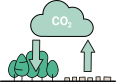
Forests are large carbon pools. Deforestation and degradation reduces these pools, and releases carbon into the atmosphere.
Harvested wood products, sustainable use of wood, and cascading use of woody biomass contribute to reducing the negative impact of harvesting on carbon sink.
Related research highlights
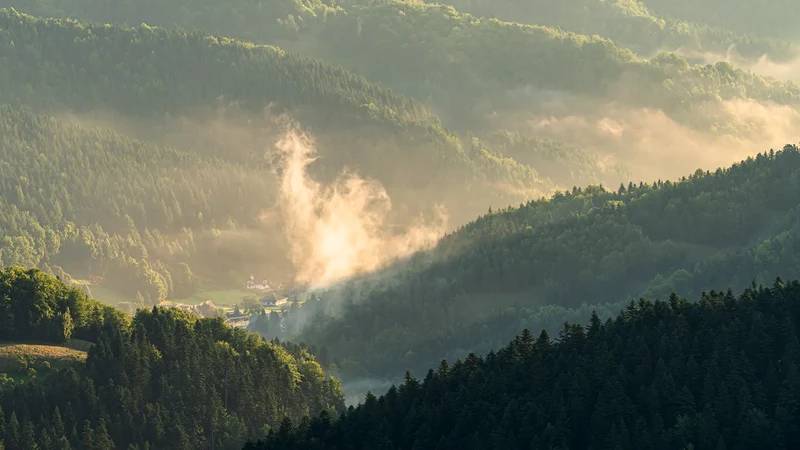
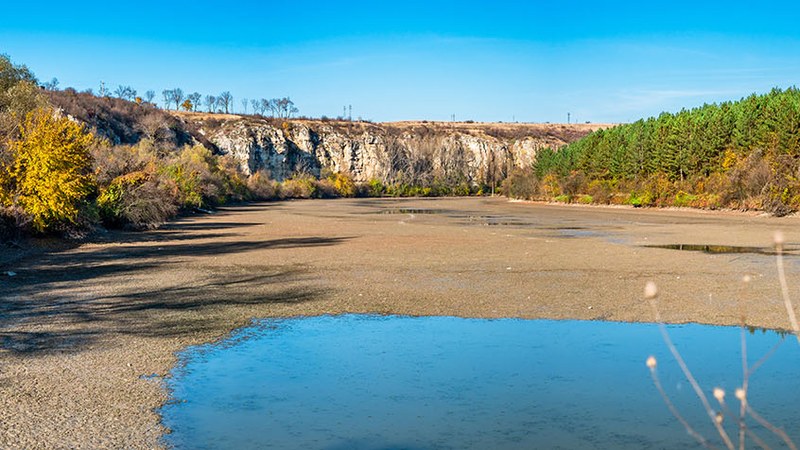
How are droughts impacting Europe's forest biodiversity?
Drought events are becoming longer and more severe in Europe. Alerts over low soil moisture are now being issued also in winter and drought has overtaken wind as the most important disturbance agent on the continent. As a result, the structure and resilience of Europe’s forests are starting to face long-term impacts. In countries like Germany, popular terms such as “Waldsterben 2.0” (forest dieback 2.0) are becoming frequent in the media to describe catastrophic tree mortality levels and secondary results from drought, such as bark beetle outbreaks.
Related policies
The LULUCF regulation sets out the monitoring process for the EU’s carbon footprint, as well as setting a net removal target of 310 million tonnes CO2 equivalent (MtCO2e) by 2030 for the EU’s Land use, Land-use change and forestry sector.
The European Green Deal is a package of policy initiatives that seeks to reduce greenhouse gases.
The European Climate Law writes into law the goal set out in the European Green Deal for Europe’s economy and society to become climate-neutral by 2050. It also establishes a system to monitor progress and further policy actions will be taken if necessary.
The EU strategy on adaptation to climate change sets objectives on how the EU can adapt in a smarter, swifter, and systemic way to the impacts of climate change.
The EU forest strategy contributes to achieving the EU’s biodiversity objectives as well as its greenhouse gas emission reduction target.
Related targets
- The amended LULUCF Regulation sets a binding EU‑wide net greenhouse gas removals target of −310 Mt CO₂‑eq yr⁻¹ for 2030 and allocates national contributions. See assessment here.
- The European Climate Law makes the goal of climate neutrality by 2050 legally binding and requires the Union to achieve net negative emissions thereafter. See assessment here.
Related resources
Future hazards affecting Europe. A story map. Relevant aspects for forests are droughts, floods and fires
National emissions reported to the UNFCCC and to the EU Greenhouse Gas Monitoring Mechanism
Copernicus Land Monitoring Service - helping to mitigate forest storm damage
Climate Risk Assessment (EUCRA) An assessment of climate risks that pose a threat to Europe
Horizon Europe. EU’s key funding programme for research and innovation