All official European Union website addresses are in the europa.eu domain.
See all EU institutions and bodies
An official website of the European Union | How do you know?
Environmental information systems

Welcome to the wooden cities of tomorrow…
An impressive new addition to the urban fabric is emerging in the Sickla neighbourhood of Stockholm, Sweden’s bustling capital. However, this is an urban redevelopment with a difference; a futuristic new “Wooden City” where timber forms the dominant construction material rather than the bricks, concrete and steel which we’ve traditionally come to associate with our urban centres.
“Wooden City Stockholm” is an ambitious and cutting-edge project that showcases the innovative potential of timber in contemporary city planning and construction. Eventually, it will feature 7,000 new office spaces and 2,000 homes, along with schools, restaurants, and shops. Whilst environmental impact depends on many complex and interrelated factors, the designers of the “Wooden City” intend that the development will fully integrate circular bioeconomy and sustainability principles which bolster the district’s inherent appeal and green market credentials. Consequently, buildings and infrastructure will integrate green roofs, solar panels and smart technologies which minimise energy consumption and enhance urban lifestyles.
The new development, which is set to become one of the largest wooden urban districts in the world, will be constructed mainly using Engineered Wood Products (EWPs) such as cross-laminated timber (CLT), which is known for its strength and versatility. The Stockholm initiative mirrors a more general trend towards the use of wood-based construction across Europe. On a smaller scale, for example, the City of Mannheim in southwest Germany is making extensive of timber in the redevelopment of the Spinelli Sustainable Residential District, on the site of a former military base.
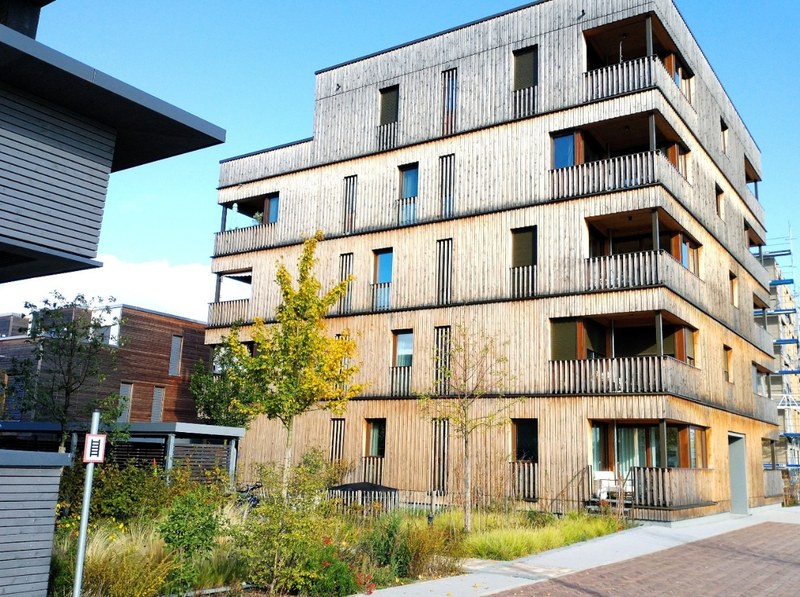
Innovative wooden apartments in the Spinelli Sustainable Residential District, Mannheim, Germany (Photo: Ian Whitehead)
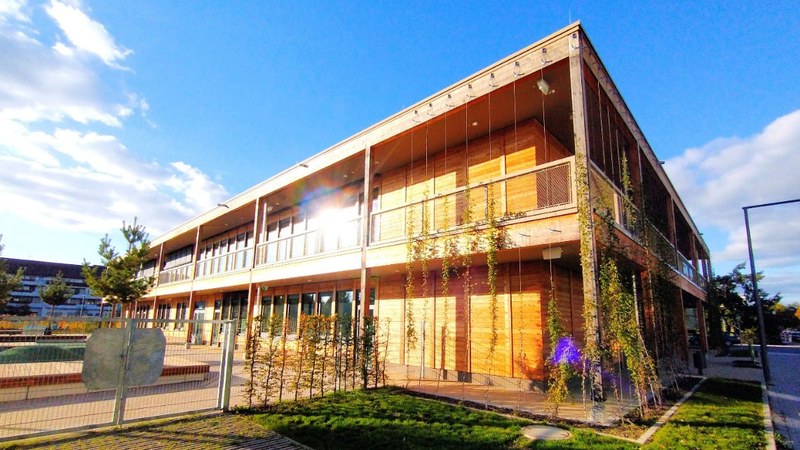
“Wooden school building”, Mannheim, Germany (Photo: Ian Whitehead)
Whilst the main focus here is on construction, the use of Engineered Wood Products is just part of a wider transition to the use of sustainable wood-based materials at the forefront of material science. For example, innovations, such as wood foam used in insulation, also offer eco-friendly alternatives to plastics and other fossil fuel derived products in everyday usage, including in construction .
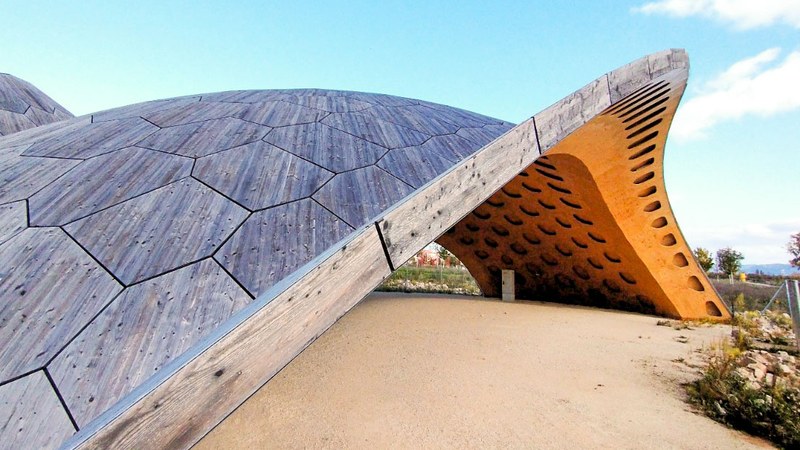
Engineered wood products as a performance space, Mannheim, Germany (Photo: Ian Whitehead)
The use of wood offers many distinct advantages, including the potential to significantly reduce carbon emissions of buildings compared to traditional materials like concrete and steel, since timber sequesters carbon throughout its life cycle . At the same time, sustainable forest-based value chains can deliver multifunctional benefits including supporting local economies and generation of societal wealth. However, the increasing use of wood products also creates a number of challenges for the forest industry. These include the need to balance increasing consumer demands with the maintenance of resilient and healthy forests which can simultaneously deliver multiple ecosystem services benefits (including biodiversity and cultural benefits) and ensuring sufficient investment in wood processing technologies and robust supply chains .
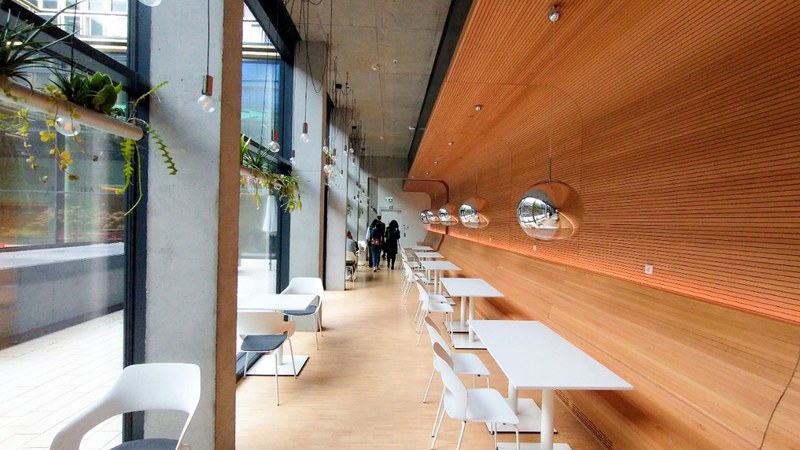
Wooden Interior (Photo: Ian Whitehead)
Timber construction - new materials, techniques, challenges and engineered wood products
Overall, modern timber building construction in Europe is experiencing a renaissance, driven both by the urgent need for sustainable building solutions and also through advances in material science. Central to this transformation is the widespread adoption of Engineered Wood Products (EWPs) such as Cross-laminated Timber (CLT), Glue-laminated Timber (Glulam) and Laminated Veneer Lumber (LVL). These materials offer exceptional strength, stability and design flexibility, making it increasingly feasible to construct middle to high-rise buildings with wood (something that was once limited to low-rise structures) . Notable examples of high-rise timber buildings in Europe include “HoHo Wien” in Vienna, Austria (23 stories in height), “De Karel Doorman” in Rotterdam, Netherlands (22 stories) and “Sara Kulturhus” in Skellefteå, Sweden (20 stories)
Engineered Wood Products are prefabricated in factory environments, which improves their construction speed, reduces waste and ensures a higher quality of production. Modern techniques like modular construction and digital fabrication, including Computer Numerically Controlled (CNC) Milling and Building Information Modelling, further enhance precision and efficiency.
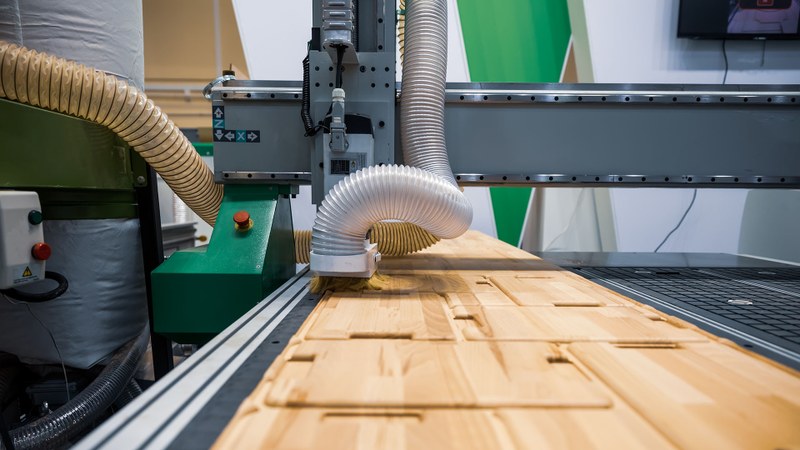
Computer Numerically Controlled (CNC) Milling. (Image Source: Adobe Stock)
However, certain hurdles need to be overcome to maximise the full potential of Engineered Wood Products, including regulatory barriers, building codes and fire safety standards. These can vary widely across different countries and can often lag behind the overall pace of technological development. Additionally, there are logistical challenges in sourcing sustainable, certified wood supplies, due to supply chain limitations and the need to upscale production to meet increasing consumer demands. Despite these hurdles, Europe remains at the forefront of timber construction innovation, with cities like Vienna, Stockholm and Rotterdam leading the way in sustainable timber architecture.
Carbon Storage in buildings - sums and claims about climate neutrality
Contemporary wooden buildings are often promoted as providing an effective “catch all” solution to mitigation of climate change impacts, largely due to their ability to store carbon and also for avoiding the high emissions associated with concrete construction materials. Throughout their lifespan, growing trees absorb CO₂ and when harvested and used for construction purposes (particularly in long-lasting products) carbon can remain locked away for decades, or even centuries . Estimates suggest that for 1 cubic meter of wood, roughly 0.9 to 1 ton of carbon is stored on average; these figures, which are frequently quoted in industry Life Cycle Assessment (LCA) guidelines, are grounded in basic wood chemistry principle. In addition, when used as substitutes for concrete or steel, this can result in savings of a further 1.1–1.5 tons of emissions, providing dual climate benefits.
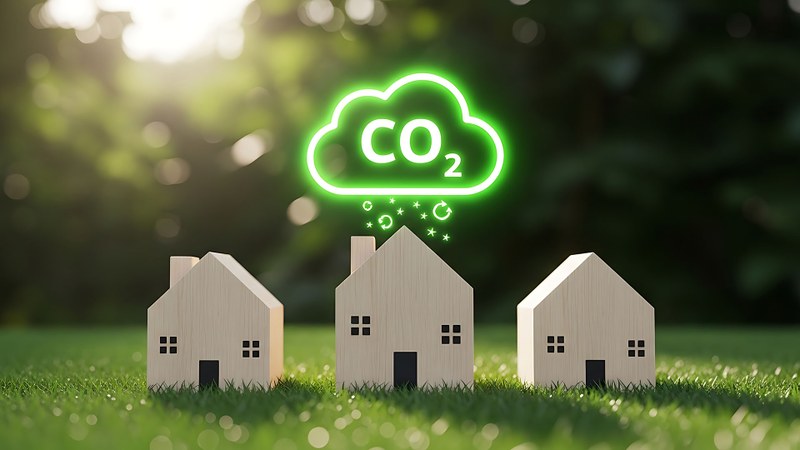
Contemporary wooden buildings can store carbon and also avoid the high emissions associated with traditional concrete and steel construction methods. (Image Source: Adobe Stock)
Compared to concrete and steel (materials which both have high embodied emissions due to energy-intensive production), wood has a significantly lower carbon footprint. However, the real carbon impact depends upon the entire product lifecycle. This includes how the wood is sourced, transported, processed and what happens at the end of the building’s lifecycle. If forests are not managed sustainably and the overall carbon sink in forests decreases, or the wood is eventually burned or decays without reuse, the net climate impact of wood use in construction can become negative. Simultaneously, the concrete and steel sectors are undergoing reforms to reduce their carbon emissions, so the relative positive impact might also be lower in the longer term. That said, when materials are responsibly sourced and combined with well thought-out and low-carbon design strategies, greater use of wood technology can be a valuable tool in strategies to reduce overall construction and product emissions.
Fire issues and safety considerations
Fire safety is a critical consideration in contemporary timber construction, particularly as the use of Engineered Wood Products such as Cross-laminated Timber (CLT) becomes more common in the construction of high rise and larger structures. While wood is a combustible material, modern fire safety strategies and design techniques have made it possible to build timber structures to higher standards of safety and reliability.
One key factor to consider here is the predictable way in which heavy timber chars in response to fire situations. During a fire, a protective charred layer will form on the surface of the wood which can effectively insulate the inner structure of the material, thereby slowing down the spread of the flames. Building codes increasingly recognise this behaviour and therefore permit the use of exposed timber elements, albeit under strict design and safety criteria.
Overall, fire safety in timber buildings is most effectively addressed through a combination of passive and active systems. These include use of fire-rated assemblies, encapsulating structural wood with non-combustible materials, incorporating sprinkler systems and designing for compartmentalisation of building interiors which prevent the spread of fire. Advanced modelling and full-scale fire testing have also improved understanding of timber performance under fire conditions. However, building and fire safety regulations vary tremendously across different territories and conservative code restrictions can limit broader adoption of wood products in construction. Overall, when designed and constructed with proper fire protection strategies, modern timber buildings can meet, or often exceed, current safety standards, thereby balancing architectural innovation with public safety requirements.
In response to fire risks and other perceived hazards, insurance rates for new timber-building construction are still very variable. In countries with longer experience of engineered timber (including Germany, Austria, Scandinavia and the UK), insurers offer more specialised coverage, although premiums are still higher than for traditional materials because of limited claims data. In countries or regions where timber construction is less familiar, insurers often treat timber buildings as being of higher risk, levying significantly higher premiums (sometimes two to four times higher compared with conventional construction) and requiring more stringent risk-mitigation measures, including fire protection.

Fire safety is a key consideration in modern timber construction (Image Source: Adobe Stock)
Biophilia and wellbeing - links to sustainable living and health
The use of wood in building design is increasingly recognised not only for its sustainability, but also for its positive impact upon human health and wellbeing. This is linked closely with the concept of biophilia, which refers to the innate human connection to nature. Incorporating natural materials like wood into interior environments can foster a sense of calm, comfort and psychological wellbeing.
Studies have illustrated that wooden interiors can reduce stress, lower heart rates and even improve cognitive performance and mood . For example, in workplaces, schools and healthcare settings, wood interiors and furnishings have been linked to increased satisfaction levels, reduced anxiety and enhanced productivity. These effects are believed to arise from wood’s natural textures, colours and scents which evoke attractive outdoor environments and help to create comfortable, soothing interiors .
Unlike more sterile materials such as concrete or steel, wood offers a sense of familiarity and organic forms which can contribute to creating more people-centred and liveable spaces. When integrated into architectural design, wood not only serves structural and environmental functions, but can benefit people’s emotional and psychological needs, making it an important component of healthy, biophilic design.
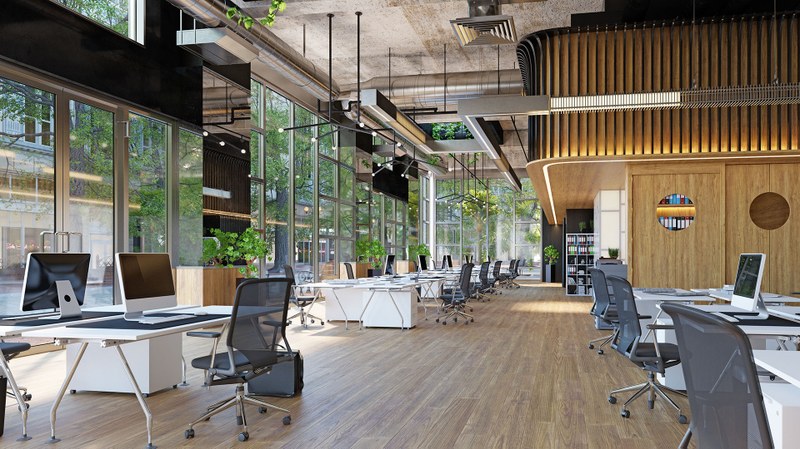
Biophilic Design of functional spaces using wood can have a positive impact upon human health and wellbeing (Image source: Adobe stock)
New innovative materials - wood foam and bioplastics as substitutes
In addition to their role within iconic urban design and construction projects, innovative wood-based materials can also play many less obvious, albeit important roles, as part of the circular bioeconomy. This includes providing eco-friendly alternatives to commonly used plastics, foams and other fossil fuel-derived products used in the construction industry.
Amongst the most promising developments in this context is wood foam, a lightweight, biodegradable material which can be made by breaking down wood fibres into a porous, spongy structure. This can replace petroleum-based foams in packaging and insulation materials, offering a similar performance to price ratio, albeit with a vastly lower environmental impact.
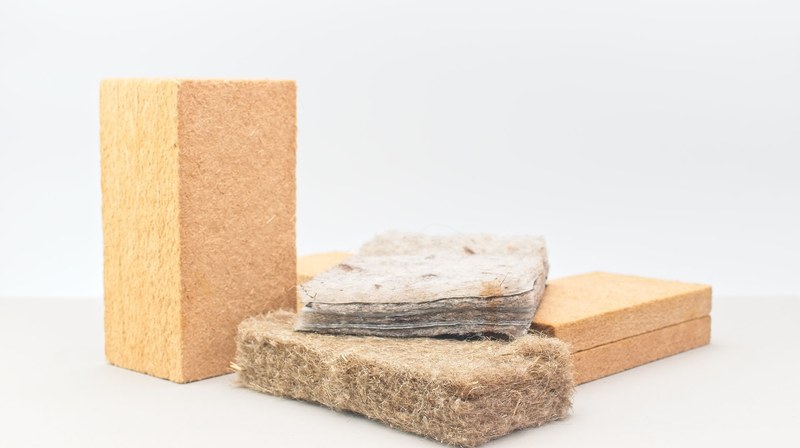
Many of our new thermal insulation materials are now wood-based (Image source: Adobe Stock)
In the future, even our windows could be made of wood-based products. Transparent wood - which can be created by removing lignin and infusing the wood structure with a polymer - is being explored as a sustainable alternative to glass, offering better insulation and lower weight. Additionally, nanocellulose, a material extracted from plant fibres at the nanoscale, is being used in flexible electronics, coatings and within the construction industry for enhancing the sustainability and performance of cementitious materials .
Challenges for uptake - industry investment, consumer perceptions and costs
Despite the growing possibilities offered by innovative wood-based products like wood foam, bioplastics and nanocellulose, several challenges hinder their widespread adoption and uptake. A major barrier is industry and consumer perception. Many stakeholders remain sceptical about the performance, durability and reliability of these newer alternatives compared to established materials such as the conventional plastics or synthetic foams used in construction. There is also a lack of familiarity, which slows adoption, particularly in conservative sectors like construction and packaging.
In addition, high development and production costs can pose significant obstacles. Many of these materials are still in the early stages of entering the marketplace, thus requiring ongoing product refinement, acquisition of specialist manufacturing equipment and the upscaling of infrastructure. This limits consumer affordability and availability in the initial phases. Market resistance is also rooted in regulatory uncertainty and inconsistent standards, making it difficult for manufacturers to bring products to market on a suitable scale of production. Until production is upscaled and costs are reduced, these materials will struggle to compete profitably with mass-produced concrete, petroleum-based and other materials. Whether sustainability of supply chains can be assured in case of large-scale deployment also remains an open question.
Processing and supply chain challenges, diversification of products and links to forest management
Diversifying the range of timber products through innovation and creation of new applications, places increasing demands upon the wood processing supply chain. A key issue is the alignment between forest management practices and the quality and consistency of raw material supplies needed for advanced wood products. Many European forests are managed for traditional uses like sawn timber or pulp and adapting them to support high-tech applications often requires investment in selective harvesting, species diversification and longer-term forest planning . However, diversification also creates opportunities through enabling use of forest byproducts and salvage materials which were previously accorded little economic value. Technological innovations in the wood products can therefore go hand-in-hand with changing forestry practices, thereby helping to maintain biodiversity, support ecosystem services and improve the resilience of forests.
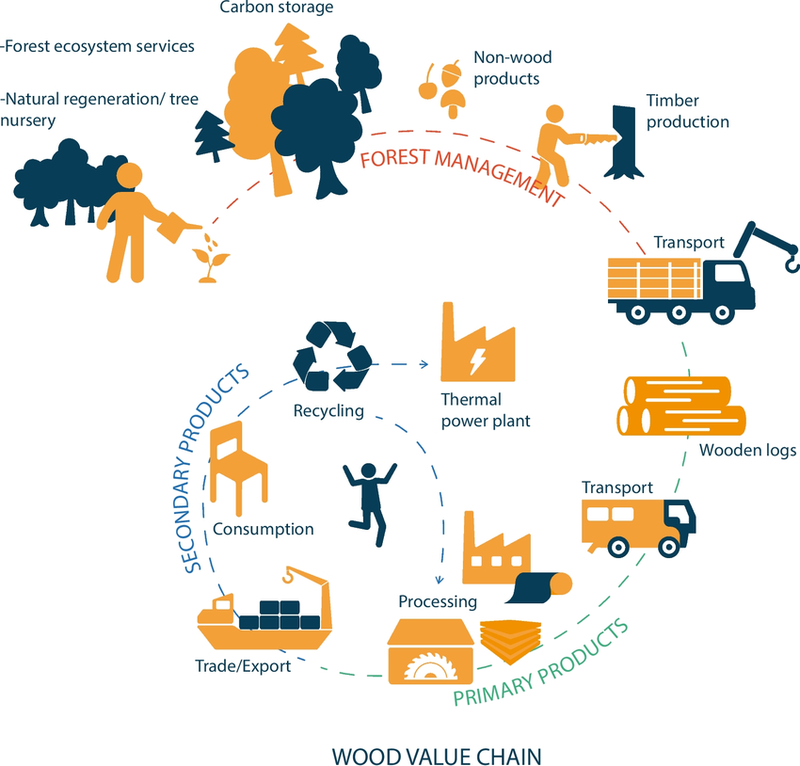
Resilient forest value chains – enhancing resilience through natural and socio-economic responses. (Image: Gabriela Rueda/Horizon RESONATE project).
Whilst policies generally under the EU Forest Strategy and the EU Bioeconomy Strategy aim to balance economic use with ecological integrity, progress on implementation is often fragmented across member states. To truly diversify timber products at scale, coordinated efforts are needed to modernise forestry, harmonise policies and strengthen circular, value-added supply chains. The development of effective transport and processing infrastructure can also help to reduce bottlenecks, particularly in regions previously lacking facilities for handling and converting biomass into advanced products. Furthermore, the integration of digital technologies and traceability systems can help to improve efficiency and transparency across the supply chain to ensure the effective sourcing, manufacture and accreditation of new innovative wood products.
So, is the future a wooden one ?
Wood product innovation is increasingly expected to play a significant role in shaping sustainable industries and construction practices over the coming decades. As the world intensifies efforts to combat climate change, reduce carbon emissions and transition to a circular economy, the use of renewable, low-impact materials is poised to grow substantially.
These materials offer an alternative to carbon-intensive options such as concrete, steel and fossil fuel-derived plastics which are commonly used in construction. Technological advances are making wood-based products stronger, more durable and suitable for a wider range of applications; from the main structural elements of tall buildings themselves, to smaller, individual components used in general construction. However, it will take time to fully understand just what impact these products will have on the marketplace and to weigh up the overall benefits and performance provided against more traditional products.
As public awareness of environmental issues grows and policy frameworks increasingly support low-carbon solutions, both the consumer and industry demand for sustainable materials is expected to rise. However, scaling up will depend on overcoming challenges such as costs, supply chain capacity, multifunctional forestry management objectives and market acceptance. If these hurdles are properly addressed, wood-based innovations have potential to become one of the key mechanisms for decarbonising the built environment and construction sectors. So, will the future be a wooden one? Only time will tell…
- ↵Cajsa Carlson, “‘World’s largest wooden city’ set to be built in Stockholm,” https://www.dezeen.com/2023/06/22/worlds-largest-wooden-city-stockholm/.
- ↵Atrium Ljungberg, “The World’s Largest Wooden City,” https://www.al.se/en/sickla/.
- M. Beck-O’Brien, V. Egenolf, S. Winter, J. Zahnen, and N. Griesshammer, “Everything from wood – The resource of the future or the next crisis? How footprints, benchmarks and targets can support a balanced bioeconomy transition,” 2022.a b
- E. S. Ferreira, E. Dobrzanski, P. Tiwary, P. Agrawal, R. Chen, and E. D. Cranston, “Insulative wood materials templated by wet foams,” Mater Adv, vol. 4, no. 2, pp. 641–650, 2023, doi: 10.1039/D2MA00852A.↵
- ↵Fraunhofer Group for Materials and Components - Materials, “Wood Foam – From Tree to Foam,” https://www.materials.fraunhofer.de/en/business-areas/Construction_and_Living/wood_foam.html.
- ↵H. Lim et al., “Climate benefit of timber building compared to reinforced concrete alternative: Impact of biogenic carbon modeling methods,” J Clean Prod, vol. 524, p. 146485, Sep. 2025, doi: 10.1016/j.jclepro.2025.146485.
- ↵
- ↵Hurmekoski E., “How can wood construction reduce environmental degradation?,” Joensuu, Oct. 2017. Accessed: Dec. 01, 2025. [Online]. Available: https://efi.int/sites/default/files/files/publication-bank/2018/efi_hurmekoski_wood_construction_2017_oct.pdf
- ↵J. Luhas and M. Mikkilä, “Social sustainability in the forest-based bioeconomy: A narrative review,” For Policy Econ, vol. 177, p. 103523, Aug. 2025, doi: 10.1016/j.forpol.2025.103523.
- A. Hoeben et al., “Enhancing climate resilience of forest value chains,” Feb. 2025. doi: 10.36333/rs10.↵
- A. D. Hoeben, T. Stern, and F. Lloret, “A Review of Potential Innovation Pathways to Enhance Resilience in Wood-Based Value Chains,” Current Forestry Reports, vol. 9, no. 5, pp. 301–318, Jul. 2023, doi: 10.1007/s40725-023-00191-4.a b c
- ↵S. Ayanleye, K. Udele, V. Nasir, X. Zhang, and H. Militz, “Durability and protection of mass timber structures: A review,” Journal of Building Engineering, vol. 46, p. 103731, Apr. 2022, doi: 10.1016/j.jobe.2021.103731.
- H. Svatoš-Ražnjević, Y. Boeva, C. Kropp, and A. Menges, “Trajectories from standard to incremental and pioneering innovation in timber construction: multi-storey timber buildings in Germany, Austria, and Switzerland,” Building Research & Information, vol. 53, no. 6, pp. 734–758, Aug. 2025, doi: 10.1080/09613218.2025.2482970.↵
- H. E. Ilgın and Ö. N. Aslantamer, “Spatial Effectiveness in High-Rise Timber Towers: A Global Perspective,” Buildings, vol. 14, no. 9, p. 2713, Aug. 2024, doi: 10.3390/buildings14092713.a b c
- D. Lobos Calquin et al., “Implementation of Building Information Modeling Technologies in Wood Construction: A Review of the State of the Art from a Multidisciplinary Approach,” Buildings, vol. 14, no. 3, p. 584, Feb. 2024, doi: 10.3390/buildings14030584.↵
- S. R. Pillai, “Fire safety in engineered timber,” International Journal of Research Publication and Reviews, vol. 6, no. 6, pp. 12643–12648, Jun. 2025, doi: 10.55248/gengpi.6.0625.23108.a b c
- H. Gu, P. Nepal, M. Arvanitis, and D. Alderman, “Carbon Impacts of Engineered Wood Products in Construction,” in Engineered Wood Products for Construction, IntechOpen, 2022. doi: 10.5772/intechopen.99193.↵
- T. Orfanidou, M. Hassegawa, P. Leskinen, H. Sixta, P. Oinas, and G. Cardellini, “Wood-based textiles & modern wood buildings,” Jan. 2023. doi: 10.36333/k2a06.a b
- ↵Ashley Steel E., “Carbon Storage and Climate Change Mitigation Potential of Harvested Wood Products,” Apr. 2021. Accessed: Dec. 01, 2025. [Online]. Available: https://www.fao.org/forestry-fao/49800-0812a13ea85265539335c760f45630d3d.pdf
- M. Hemmati, T. Messadi, H. Gu, J. Seddelmeyer, and M. Hemmati, “Comparison of Embodied Carbon Footprint of a Mass Timber Building Structure with a Steel Equivalent,” Buildings, vol. 14, no. 5, p. 1276, May 2024, doi: 10.3390/buildings14051276.↵
- D. Y. Wedajo, C. Cristescu, S. Billore, and S. Adamopoulos, “Carbon impact of wood-based products through substitution: a review of assessment aspects and future research perspectives in life cycle assessment,” Carbon Manag, vol. 16, no. 1, Dec. 2025, doi: 10.1080/17583004.2025.2536350.↵
- ↵K. H. McCord et al., “Comparative life cycle assessment of a modular cross-laminated timber residential building designed for disassembly and reuse versus traditional wood frame construction,” J Clean Prod, vol. 528, p. 146541, Oct. 2025, doi: 10.1016/j.jclepro.2025.146541.
- a bS. Barbhuiya, F. Kanavaris, B. B. Das, and M. Idrees, “Decarbonising cement and concrete production: Strategies, challenges and pathways for sustainable development,” Journal of Building Engineering, vol. 86, p. 108861, Jun. 2024, doi: 10.1016/j.jobe.2024.108861.
- a bB. Östman, D. Brandon, and H. Frantzich, “Fire safety engineering in timber buildings,” Fire Saf J, vol. 91, pp. 11–20, Jul. 2017, doi: 10.1016/j.firesaf.2017.05.002.
- ↵J. Giddings, “Built by Nature Knowledge Hub, Mass Timber: Challenges & Potential Solutions,” https://builtbn.org/knowledge/resources/mass-timber-challenges-potential-solutions/.
- ↵Dataintelo, “Mass Timber Construction Insurance Market,” https://dataintelo.com/report/mass-timber-construction-insurance-market.
- V. Montjoy, “The Biophilic Response to Wood: Can it Promote the Wellbeing of Building Occupants?,” ArchDaily.↵
- H. Ikei, C. Song, and Y. Miyazaki, “Physiological effects of wood on humans: a review,” Journal of Wood Science, vol. 63, no. 1, pp. 1–23, Feb. 2017, doi: 10.1007/s10086-016-1597-9.a b
- J. Shen, X. Zhang, and Z. Lian, “Impact of Wooden Versus Nonwooden Interior Designs on Office Workers’ Cognitive Performance,” Percept Mot Skills, vol. 127, no. 1, pp. 36–51, Feb. 2020, doi: 10.1177/0031512519876395.↵
- W. D. Browning, C. O. Ryan, and C. DeMarco, “The nature of wood, an exploration of the science on biophilic responses to wood,” New York, 2022.a b
- W. D. Browning, C. O’Ryan, and C. DeMarco, The Nature of Wood - An Exploration of the Science of Biophilic Responses to Wood. New York: Terrapin Bright Green, LLC, 2022.↵
- P. Nechita and S. M. Năstac, “Overview on Foam Forming Cellulose Materials for Cushioning Packaging Applications,” Polymers (Basel), vol. 14, no. 10, p. 1963, May 2022, doi: 10.3390/polym14101963.↵
- ↵N. P. Simelane, O. S. Olatunji, M. J. John, and J. Andrew, “Engineered transparent wood with cellulose matrix for glass applications: A review,” Carbohydrate Polymer Technologies and Applications, vol. 7, p. 100487, Jun. 2024, doi: 10.1016/j.carpta.2024.100487.
- ↵S. Naseem and M. Rizwan, “Sustainable construction and combo nanocellulose: A synergistic approach to greener building materials,” Energy Build, vol. 328, p. 115218, Feb. 2025, doi: 10.1016/j.enbuild.2024.115218.
- ↵I. Elfaleh et al., “A comprehensive review of natural fibers and their composites: An eco-friendly alternative to conventional materials,” Results in Engineering, vol. 19, p. 101271, Sep. 2023, doi: 10.1016/j.rineng.2023.101271.
- a bS. Barbhuiya, B. B. Das, K. Kapoor, A. Das, and V. Katare, “Mechanical performance of bio-based materials in structural applications: A comprehensive review,” Structures, vol. 75, p. 108726, May 2025, doi: 10.1016/j.istruc.2025.108726.
- European Commission, “New EU Forest Strategy for 2030,” Brussels, Jul. 2021.↵
- European Commission: Directorate-General for Research and Innovation, “A sustainable bioeconomy for Europe – Strengthening the connection between economy, society and the environment – Updated bioeconomy strategy,” Luxembourg, Oct. 2018.↵
- ↵M. Elias, “Timber Traceability and Sustainable Transportation Management: A Review of Technologies and Procedures,” Bulletin of the Transilvania University of Brasov. Series II: Forestry • Wood Industry • Agricultural Food Engineering, pp. 11–52, Jun. 2024, doi: 10.31926/but.fwiafe.2024.17.66.1.2.